

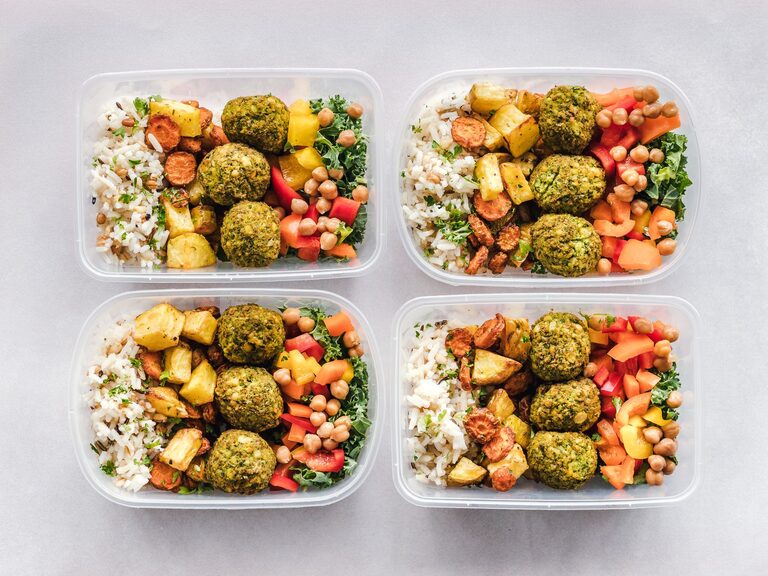
Eating well is key to feeling your best, but planning balanced meals can sometimes feel overwhelming. Whether you’re juggling a busy schedule, picky eaters, or simply want to improve your nutrition, creating satisfying meals doesn’t have to be stressful. With a few straightforward strategies, you can plan balanced meals that are both delicious and nourishing.
What Makes a Meal Balanced?
Before diving into meal planning tips, it helps to understand what a balanced meal includes. Generally, a balanced meal contains a mix of:
– Protein: Supports muscle repair and growth (examples: chicken, beans, tofu)
– Carbohydrates: Provides energy, ideally from whole grains and vegetables
– Healthy Fats: Important for brain and heart health (examples: avocado, nuts, olive oil)
– Fiber and Vitamins: From fruits and vegetables to aid digestion and overall health
Thinking of these components as puzzle pieces can make building meals easier.
Step 1: Start With a Simple Plan
Trying to plan every meal for the whole week can be overwhelming. Instead, start small:
– Plan 2-3 dinners in advance.
– Choose easy, favorite meals that fit your schedule.
– Use a notepad or a meal-planning app to list ingredients.
This approach gives you structure without pressure.
Step 2: Use the “Plate Method” for Balance
A simple way to ensure your plate is balanced is to divide it visually:
– Half the plate: Non-starchy vegetables like leafy greens, carrots, or peppers.
– One-quarter: Lean protein such as fish, beans, or eggs.
– One-quarter: Whole grains like brown rice, quinoa, or whole wheat pasta.
This method works for lunch and dinner and keeps portions in check.
Step 3: Embrace Meal Prep
Preparing ingredients ahead of time reduces daily cooking stress. Here’s how to do it effectively:
– Wash and chop vegetables in advance.
– Cook grains or proteins in batches.
– Store prepped items in clear containers for quick assembling.
Meal prep saves time and encourages healthier choices when you’re busy.
Step 4: Keep Staples On Hand
Having basic ingredients ready means you can whip up balanced meals quickly. Stock your kitchen with:
– Canned beans and tomatoes
– Frozen vegetables and fruits
– Whole grains such as oats or brown rice
– Nuts, seeds, and natural oils
– Herbs and spices for flavor
This reduces last-minute trips to the store and inspires creativity.
Step 5: Make a Flexible Grocery List
Instead of a rigid shopping list, think of categories and options:
– Proteins: chicken, lentils, eggs
– Veggies: spinach, broccoli, bell peppers
– Grains: quinoa, bulgur, whole wheat bread
– Healthy fats: olive oil, almonds, avocado
Being flexible means you can adjust based on sales, seasons, or preferences.
Step 6: Keep Portions and Preferences in Mind
Everyone’s needs and tastes vary. Adjust portions to your hunger and lifestyle. If cooking for family or roommates, involve them in meal choices. This encourages variety and reduces food waste.
Step 7: Use Simple Recipes
You don’t need complex recipes to eat well. Choose meals with few steps and ingredients:
– Stir-fries
– Grain bowls with veggies and protein
– Soups and stews
– One-pan roasted dishes
These are convenient and easy to customize.
Step 8: Don’t Forget Hydration
A balanced meal pairs well with enough water throughout the day. Fluids support digestion and keep energy up.
Bonus Tips to Reduce Meal Planning Stress
– Batch cook and freeze: Soups, chili, and casseroles freeze well.
– Cook once, eat twice: Make extra portions for leftovers.
– Theme your days: For example, “Meatless Monday” or “Fish Friday.”
– Use kitchen gadgets: Slow cookers or Instant Pots make cooking easier.
– Listen to your body: Eat when hungry and stop when full.
Conclusion
Planning balanced meals without stress is possible with thoughtful preparation and a flexible approach. By focusing on simple, nutrient-rich ingredients and realistic planning, you can enjoy tasty meals that support your health and suit your lifestyle. Start small, keep it manageable, and remember that every step towards balanced eating is progress.
Happy cooking!