

Reducing food waste at home is not only good for your wallet but also helps protect the environment by conserving resources and reducing greenhouse gas emissions. With a few simple habits and mindful practices, you can significantly cut down on the food you throw away. In this post, we’ll explore practical ways to reduce food waste, from smart shopping to creative cooking.
Why Reducing Food Waste Matters
Before diving into tips, it’s helpful to understand why food waste is a big deal. Globally, about one-third of all food produced is wasted, which means millions of tons of food end up in landfills every year. This waste contributes to pollution and wastes water, energy, and labor invested in producing that food. By reducing food waste at home, you can:
– Save money by using what you buy
– Reduce your environmental impact
– Encourage better food habits for your family
Plan Your Meals Smartly
One of the best ways to minimize waste is to plan your meals ahead of time. Here’s how to get started:
– Make a Weekly Meal Plan: Decide what you’ll eat each day based on what’s in your fridge or pantry.
– Check Inventory Before Shopping: Look through your fridge, freezer, and cupboards to avoid buying duplicates.
– Write a Shopping List: Stick to your list to prevent impulse buys that may go unused.
Meal planning helps you buy only what you need and reduces the chances of food spoiling before use.
Shop Wisely
When grocery shopping, smart choices can make a big difference:
– Buy Loose Produce: Instead of pre-packed fruits and veggies, buy loose items so you can choose the amount you need.
– Avoid Bulk Unless Necessary: Large quantities are tempting but can lead to waste if you can’t use it all.
– Choose Imperfect Produce: Many stores sell “ugly” fruits and vegetables at a discount, which are just as good and help reduce waste.
Store Food Properly
Proper storage extends the life of food and keeps it fresh longer:
– Use Airtight Containers: Store leftovers and opened packages in containers to maintain freshness.
– Keep Fruits and Vegetables Separate: Some produce releases ethylene gas, which speeds ripening and spoilage.
– Understand Storage Needs: Know which foods belong in the fridge, freezer, or pantry.
Labeling leftovers with the date helps you remember when to use them.
Use Leftovers Creatively
Leftovers don’t have to be boring. Here are some ways to give them new life:
– Turn Veggie Scraps into Broth: Save peels and ends in a freezer bag to make vegetable stock.
– Make Soups or Stir-Fries: Leftover meats and veggies can be combined for quick meals.
– Freeze Portions: If you cook in large batches, freeze single servings for later.
Practice Proper Portion Control
Serving the right amount of food helps avoid plate waste:
– Start with smaller portions; you can always go back for seconds.
– Encourage family members to take only what they will eat.
– Save extras for another meal or share with friends.
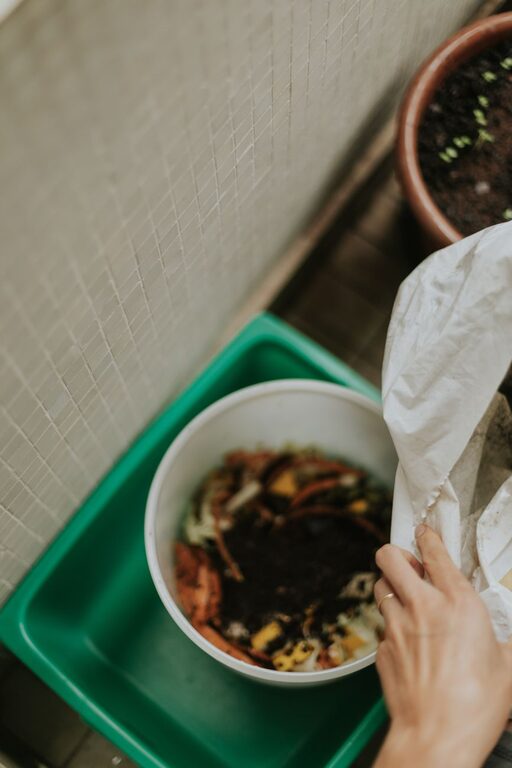
Compost Food Scraps
Some food scraps are unavoidable, but composting turns them into valuable soil instead of trash:
– Collect fruit and vegetable peels, coffee grounds, and eggshells in a compost bin.
– Avoid composting meat or dairy, as they attract pests.
– Use the compost in your garden or donate it to community gardens.
Stay Mindful About Expiration Dates
Understanding food labels can help reduce waste:
– “Best By” vs. “Use By”: “Best By” indicates peak quality but is not a safety date, while “Use By” is more about safety.
– Trust your senses: smell, look, and taste food before discarding.
Donate Excess Food
If you have surplus non-perishable food, consider donating it to local food banks or shelters. This helps those in need and reduces waste.
Educate and Involve Your Household
Make reducing food waste a family effort by:
– Teaching children about the importance of food conservation.
– Sharing tips and involving everyone in meal planning and cooking.
– Celebrating small wins and progress.
Final Thoughts
Reducing food waste at home takes some planning and effort, but the benefits are well worth it. By shopping thoughtfully, storing food correctly, using leftovers creatively, and composting scraps, you can help the planet while saving money and enjoying your meals more. Start with one or two changes this week and watch the difference it makes!