

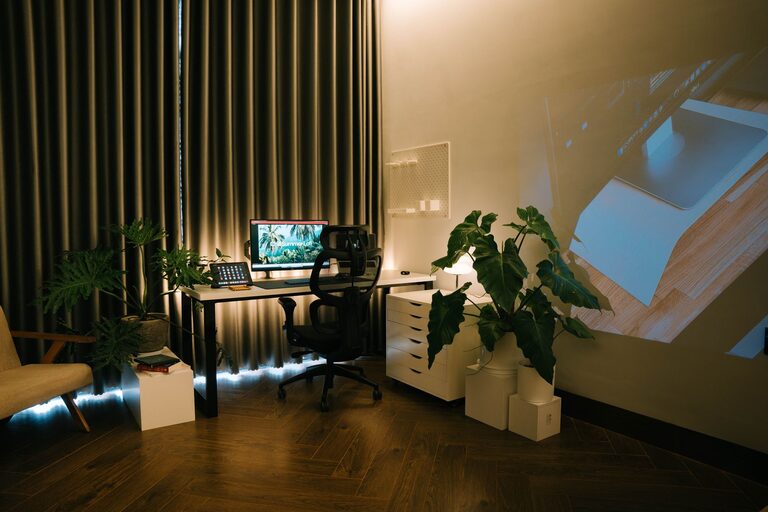
Creating a relaxing home workspace is essential for maintaining focus, reducing stress, and increasing productivity when working from home. A well-designed space can transform your daily routine, making work feel less like a chore and more enjoyable. Whether you have a dedicated room or just a small corner, these simple tips will help you create a calm and comfortable environment that supports your best work.
Why a Relaxing Workspace Matters
Your workspace influences your mood and efficiency. A cluttered, uncomfortable, or noisy area can lead to distractions and burnout. On the other hand, a peaceful and well-organized setup encourages creativity, concentration, and well-being. Investing time in creating such a space will pay off in better work quality and a more positive mindset.
Choose the Right Location
Finding the best spot for your workspace is the first step.
– Natural Light: Aim to place your desk near a window to take advantage of natural light. It improves mood and reduces eye strain.
– Quiet Area: Select a location that’s away from household noise and traffic to minimize interruptions.
– Space availability: Consider how much room you need for your equipment and movement. Even a small nook can work if organized efficiently.
Ergonomic Furniture for Comfort
Comfort is key for long hours of work.
– Ergonomic Chair: Invest in a chair with lumbar support and adjustable height to keep your posture healthy.
– Appropriate Desk: Choose a desk at a height that allows your elbows to rest at a 90-degree angle when typing.
– Footrest: If your feet don’t touch the floor comfortably, use a footrest to avoid strain.
– Monitor Position: Place your monitor at eye level to reduce neck and back pain.
Organize and Declutter
A tidy workspace promotes calm and concentration.
– Declutter Daily: Spend a few minutes at the end of each day clearing your desk.
– Storage Solutions: Use shelves, drawers, or organizers to keep supplies and paperwork out of sight.
– Cable Management: Keep cords neat and untangled with clips or cable sleeves.
– Minimalist Approach: Limit items on your desk to what you use regularly.
Add Elements That Promote Relaxation
Personal touches can make your workspace feel inviting.
– Plants: Adding greenery improves air quality and has a soothing effect.
– Soft Lighting: Use adjustable lamps or warm bulbs to reduce harsh overhead lighting.
– Calming Colors: Choose calming colors like soft blues, greens, or neutrals for your walls or accessories.
– Personal Items: Include a few mementos or artwork that make you happy but avoid clutter.
Incorporate Soothing Sounds
Sound can either distract or relax you depending on your environment.
– White Noise Machines: They can help mask background noise and improve focus.
– Soft Music: Gentle instrumental music or nature sounds create a peaceful atmosphere.
– Noise-Canceling Headphones: Useful if your home is noisy and you want to concentrate.
Take Breaks and Move
Even the best workspace can’t replace healthy habits.
– Stretch Regularly: Set a timer to remind you to stretch or walk every hour.
– Change Your Position: Alternate between sitting and standing if possible.
– Step Outside: Fresh air and sunlight boost energy and reduce stress.
Maintain Your Workspace
Keeping your workspace relaxing and functional requires ongoing effort.
– Weekly Cleaning: Dust surfaces and clean your equipment regularly.
– Review Setup: Adjust furniture or layout as your needs change.
– Reflect on What Works: Notice how your workspace affects your mood and productivity, then tweak accordingly.
Final Thoughts
Creating a relaxing home workspace is about balancing comfort, organization, and personal style. By choosing the right location, investing in ergonomic furniture, and adding calming elements, you can build an environment that not only helps you work better but also supports your well-being. Remember, a workspace is a reflection of how you work best—so customize it to fit your needs and enjoy the benefits of a calm, inviting place to work.