

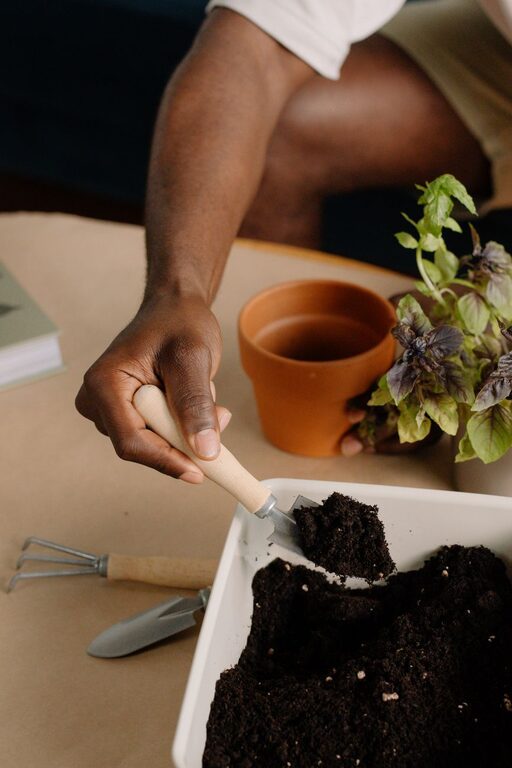
Starting a small herb garden indoors is a fantastic way to bring fresh flavors into your kitchen and enjoy a bit of nature year-round. Whether you have a sunny windowsill or a small corner in your apartment, herbs are easy to grow and maintain. This guide will walk you through the essentials of setting up your indoor herb garden, including choosing the right herbs, planting, care, and harvesting.
Why Grow Herbs Indoors?
Indoor herb gardens offer several benefits:
– Freshness: Pick herbs just when you need them for cooking.
– Convenience: No need to run to the store for every recipe.
– Air quality: Many herbs help purify indoor air.
– Enjoyment: Gardening can be a relaxing hobby.
– Space-saving: Perfect for small apartments or homes without outdoor gardens.
Choosing the Right Herbs
Some herbs are better suited for indoor growing than others. Here are some beginner-friendly options:
– Basil: Loves sunlight and warmth, great for Italian dishes.
– Mint: Thrives indoors but can spread quickly; best grown in a separate pot.
– Parsley: Prefers bright but indirect light.
– Chives: Easy to grow with minimal care.
– Thyme: Needs plenty of light but grows well indoors.
– Cilantro: Grows quickly but prefers cooler temperatures.
– Oregano: Requires sunlight and well-draining soil.
Select herbs based on your cooking preferences and available light conditions in your home.
What You’ll Need
Before you start planting, gather the following supplies:
– Containers: Pots with drainage holes to prevent waterlogging.
– Potting mix: A high-quality, well-draining potting soil.
– Seeds or seedlings: Choose fresh seeds or starter plants from a nursery.
– Light source: A sunny windowsill or grow lights if natural light is limited.
– Watering tools: A small watering can or spray bottle.
– Labels: To keep track of different herbs.
Planting Your Indoor Herb Garden
Step 1: Prepare Your Containers
Fill your pots with potting mix, leaving about an inch of space from the top. Ensure good drainage by checking that the holes aren’t blocked.
Step 2: Sow Seeds or Transplant Seedlings
– If using seeds, follow the packet instructions for depth and spacing. Lightly cover seeds with soil.
– For seedlings, gently remove from their nursery pots and plant at the same depth in your containers.
Step 3: Watering
Moisten the soil gently after planting. Keep the soil consistently damp but not soggy. Overwatering can cause root rot.
Step 4: Positioning for Light
Place your herb pots in a spot that receives at least 6 hours of sunlight daily. South-facing windows usually work best. If natural light is insufficient, consider using LED grow lights.
Caring for Your Indoor Herbs
Light
Herbs need plenty of light to grow strong and flavorful. Rotate pots occasionally to ensure even light exposure.
Water
Water your herbs when the top inch of soil feels dry. Avoid letting water sit in saucers under the pots.
Temperature and Humidity
Most herbs prefer temperatures between 65°F and 75°F. Indoor heating can dry the air, so misting your herbs or using a humidity tray can help.
Fertilizing
Feed your herbs with a balanced, water-soluble fertilizer every 4-6 weeks. Avoid over-fertilizing, which can reduce flavor intensity.
Pruning and Harvesting
Regularly pinch back herbs to encourage bushier growth. Harvest leaves by cutting just above a leaf node. Avoid removing more than one-third of the plant at a time to keep it healthy.
Troubleshooting Common Problems
– Yellowing leaves: Could mean overwatering or poor drainage.
– Leggy growth: Usually a sign of insufficient light.
– Pests: Watch for aphids or spider mites; treat with natural insecticidal soap if needed.
– Wilting: Check soil moisture and light exposure.
Tips for Success
– Start with easy herbs like basil and chives before experimenting with more sensitive varieties.
– Use clean pots and fresh soil to prevent disease.
– Label your plants clearly for easy identification.
– Keep a small notebook to track watering and growth.
Enjoy Your Indoor Herb Garden
With time, your indoor herb garden will become a source of fresh flavors and a beautiful green space in your home. Fresh herbs can enhance your cooking and bring a little joy to your daily routine. Happy gardening!
—
Remember, every gardener learns by doing, so don’t worry if your first attempt isn’t perfect. With patience and care, you’ll soon enjoy your own thriving indoor herb garden.